Deep Tissue Massage Near Me for Effective Pain Relief
Deep tissue massage can reduce pain for some people. The gains are usually small to moderate and most vigorous in the short term. Results last longer when you pair massage with movement and simple home care. Extensive reviews and clinical guidelines support massage as one option in the broader plan for common pain problems like back and neck pain. (NCCIH)
What is a deep tissue massage?
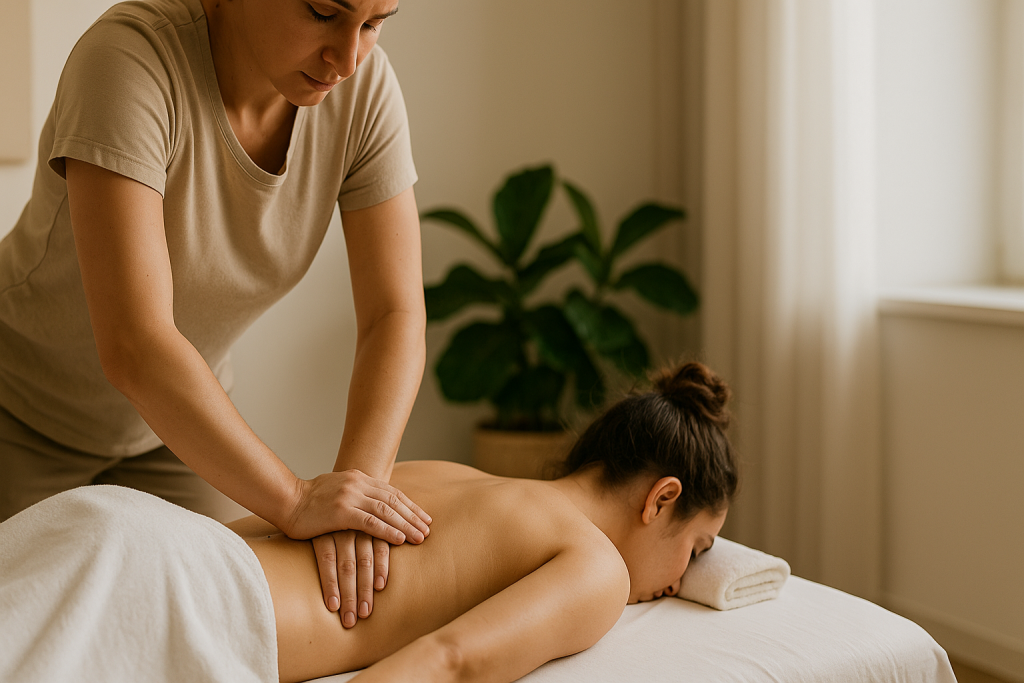
Deep tissue massage focuses on pressure on specific muscles and fascia. The therapist warms the area, then works into tight bands with thumbs, knuckles, or forearms. It differs from Swedish massage, which is gentler and aimed at general relaxation. Deep tissue targets stubborn tension and limited range. (Medical News Today)
What the evidence says in 2025
Here is a clean read on the current research. It is not perfect, but it points in one direction.
-
Low back pain. The American College of Physicians lists massage among first-line non-drug choices for acute and subacute low back pain. Many cases ease themselves, and early care often starts with heat, massage, acupuncture, or spinal manipulation. (American College of Physicians)
-
Cochrane review. Massage can reduce pain for some people with low back pain, mainly in the short term. Serious harms were not reported in those trials. (cochrane.org)
-
Neck pain trial. A randomized study in a primary care setting found that massage and a combined massage plus exercise helped neck pain more than advice alone in the first weeks. Exercise caught up on longer follow-up. Use both. (PubMed)
-
Big picture. A 2024 JAMA Network Open overview mapped hundreds of trials and dozens of reviews on massage for pain. Many conclusions had low certainty. That means benefits are real for some people, but the strength and duration vary. Massage fits best as part of a plan, not the only tool. (JAMA Network)
-
General guidance. National health resources agree that massage may relieve several kinds of pain for some people, often short-term, with a low overall risk when provided by trained practitioners. (NCCIH)
How deep tissue massage may help
-
Calms protective muscle tone
-
Changes how nerves process pain for a short time
-
Improves movement tolerance in stiff zones
-
Reduces guarding so you can exercise again
These effects align with outcomes seen in back and neck pain studies and summaries. (NCCIH)
Who is a good fit
-
Desk workers with tight neck and shoulders
-
Runners or lifters with stiff calves, hamstrings, or hips
-
People with localized trigger points that feel like knots
-
Clients who can guide pressure with clear feedback
Hospitals and large clinics describe massage as useful for stress, tension, and some pain conditions when delivered by licensed staff. (Mayo Clinic)
Who should wait or ask first
Most side effects are mild. Serious events are rare. Some situations need a different plan.
-
Fever or active infection
-
Recent deep vein thrombosis or high clot risk
-
Uncontrolled heart or kidney disease
-
Open wounds or a fresh injury
-
Severe osteoporosis with fracture risk
-
Cancer care or lymphedema without a trained provider
-
Pregnancy without a prenatal-trained therapist
NCCIH notes a low overall risk and reports that rare serious harms have been seen with vigorous styles or in high-risk people. Ask first if you have bleeding disorders or take anticoagulants, and avoid strong pressure over fragile areas. (NCCIH)
Deep tissue vs other massage styles
| Feature | Deep tissue massage | Swedish massage | Sports massage | Myofascial release |
|---|---|---|---|---|
| Main goal | Focused relief in deeper tissues | General relaxation and light pain relief | Prep and recovery for activity | Gentle, sustained pressure on fascia |
| Pressure | Firm and slow | Light to moderate | Variable by phase | Light to moderate |
| Clothing | Undress to comfort with draping | Undress to comfort with draping | Table oil work or clothes-on stretch | Undress to comfort with draping |
| Best fit | Local knots and stubborn stiffness | Stress reset and whole-body calm | Targeted performance needs | Widespread tightness with sensitivity |
| Evidence note | Short-term pain relief in some neck and back pain trials | Short-term pain relief and relaxation | Mixed recovery data by protocol | Mixed data, often used with other care |
Sources that compare techniques describe Swedish as gentler and deep tissue as more focused and forceful. The ACP and Cochrane items above cover pain outcomes in general. (Medical News Today)
What a session looks like
Before
Arrive a few minutes early. Share one clear goal. Tell the therapist about meds, injuries, and any red-flag conditions.
During
Expect warming strokes first. The therapist sinks in slowly and checks pressure. Use a simple 1 to 10 scale. Stay near 4 to 6 for comfort. Sharp pain is a cue to ease up.
After
You may feel tender the same day. Light movement and normal hydration help. Soreness should fade in 24 to 48 hours. If it lingers, ask for a lighter plan next time. Major clinics describe similar aftercare and note massage is usually safe when done by trained staff. (Mayo Clinic)
How many visits make sense
| Situation | A realistic plan |
|---|---|
| New neck or back flare | One to three sessions in two weeks, then reassess |
| Desk posture problem | Weekly for three weeks, then every two to four weeks |
| Training block | Weekly during heavy weeks, taper near events |
| Long-standing pain | Twelve weeks of pairing massage with exercise and sleep care |
The neck pain trial showed early gains with massage that level out over time. Exercise carries more of the late gains. Use both. (PubMed)
Pair massage with movement
Massage can open a window where pain is lower and motion feels easier. Use that time for gentle strength and range work. Research on back pain keeps pointing to exercise for lasting change. Massage helps you start and stick with it. (PMC)
Simple add-ons at home
-
Ten minutes of easy walking
-
Two short mobility drills for the area you treated
-
Light stretch holds of twenty to thirty seconds
-
Normal sleep that night
Costs and time
Prices vary by city and provider.
| Region | 60 minutes | 90 minutes |
|---|---|---|
| North America | 90 to 160 USD | 130 to 230 USD |
| Europe | 70 to 140 EUR | 110 to 200 EUR |
| Australia | 100 to 180 AUD | 150 to 260 AUD |
Large systems offer massage inside hospitals and clinics as part of integrative care, which can change pricing and insurance handling. (Mayo Clinic)
Safety tips you can use today
-
Pick licensed or certified therapists
-
Ask for pressure checks during the session
-
Avoid extreme pressure over bones, arteries, and recent injuries
-
Stop the session if you feel sharp pain, numbness, or dizziness
-
If you take blood thinners, avoid heavy pressure and ask your clinician first
National resources report few risks with trained providers and note precautions for people with bleeding risks, fragile skin, or certain medical conditions. (NCCIH)
How to choose a therapist
Look for clean rooms, precise draping, and a plan that matches your goal. Academic medical centers describe massage as part of integrative care, stress training, scope, and communication. If a provider listens and adapts, that is a good sign. (Mayo Clinic)
Quick checklist
-
List deep tissue on the menu
-
Explains how pressure will be adjusted
-
Offers realistic expectations on pain change
-
Encourages movement between visits
-
Post credentials on the site or in the clinic
Sample 60-minute plan
Goal
Make head turns easier and reduce shoulder aches from desk work.
Flow
Upper back warm-up: Slow, focused work on the levator scapulae and upper trapezius. Side-lying pec and biceps release. Mid-back mobilization. Brief forearm flexor work. Two minutes of quiet breathing.
Home drills
Doorway pec stretch. Chin nods with a tall posture. A short walk later in the day.
This plan style reflects how trials combine manual therapy for early relief with exercise for maintenance. (PubMed)
Frequently asked questions
Does deep tissue massage help chronic low back pain?
Evidence shows slight short-term pain relief for some people. Guidelines list massage as an option early on. Add exercise for longer results. (PubMed)
Is deep tissue massage better than Swedish for pain?
Not in every case. A head-to-head trial in chronic low back pain found both helped. Pick the feel that lets you move better afterward. (cochrane.org)
How often should I book a deep tissue massage?
Weekly during a rough month often works. Then switch to every two to four weeks. Reassess based on results and budget. Early gains fade if you stop all care. (PubMed)
What pressure is safe in deep tissue massage?
Use a 1 to 10 scale and stay near 4 to 6. Sharp pain is a red flag. National resources report low risk with trained providers and sensible pressure. (NCCIH)
Can deep tissue massage cause harm?
Serious harm is rare. It has been reported in high-risk people and with powerful techniques. Share your history. Avoid heavy pressure over fragile areas. (NCCIH)
Should I drink extra water after a session?
Drink to thirst. Large health sites focus on comfort, movement, and sleep. There is no substantial proof that forcing extra water changes outcomes. (Mayo Clinic)
Is deep tissue massage helpful for athletes?
It can reduce soreness and help you move. Effects are usually short-term. Use it to keep training, not as your only tool. Overviews of massage for pain support this view. (PMC)
Can I go to a deep tissue massage during pregnancy?
Book with a prenatal-trained therapist. Keep pressure mild. Avoid abdominal work. Get clearance if your pregnancy is high-risk. (NCCIH)
Bottom line
Deep tissue massage can ease pain and stiffness for many people. The effect is often short-term. The best plan is to use a massage to lower pain so you can move, then keep moving with simple strength and mobility work. Choose trained providers, speak up during sessions, and track how you feel for two days after each visit. That is how a massage becomes a useful part of your pain plan. (NCCIH)
Not sure which style fits you? Take the 2-minute Massage Type Quiz:
https://www.spaandmassagenear.me/type-of-massage-quiz/